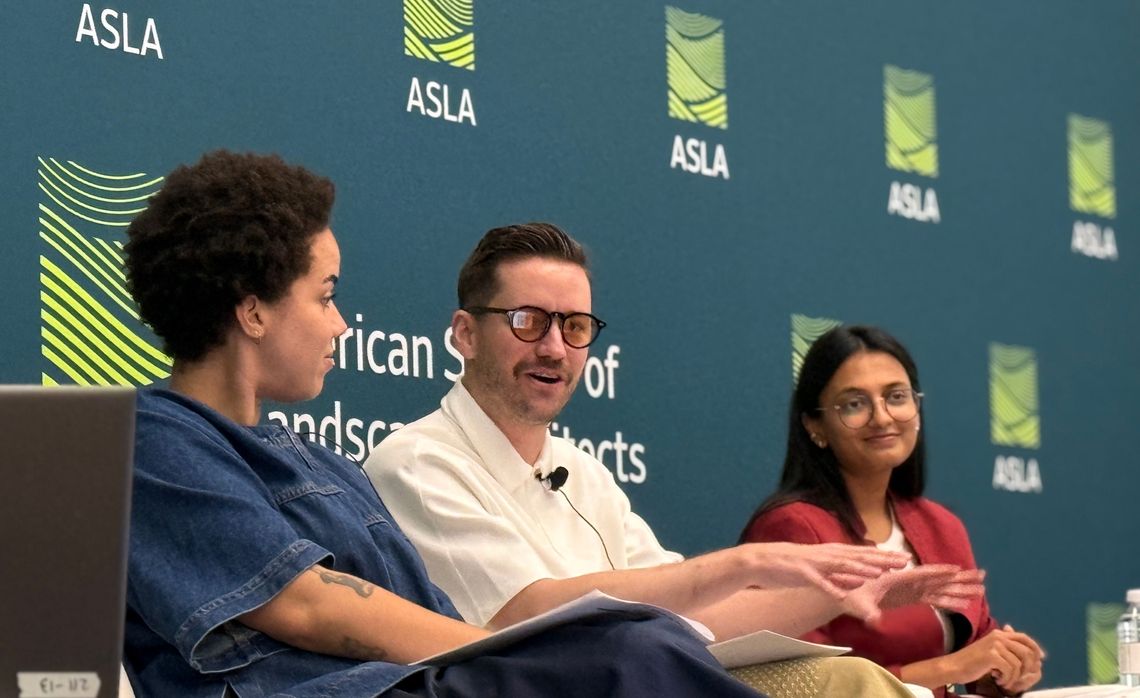
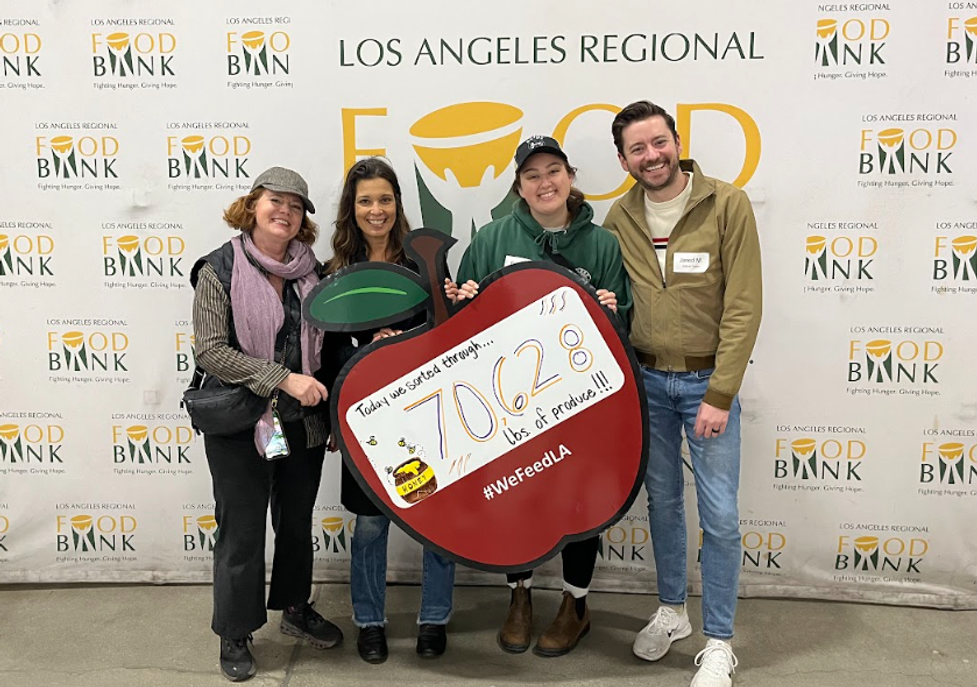
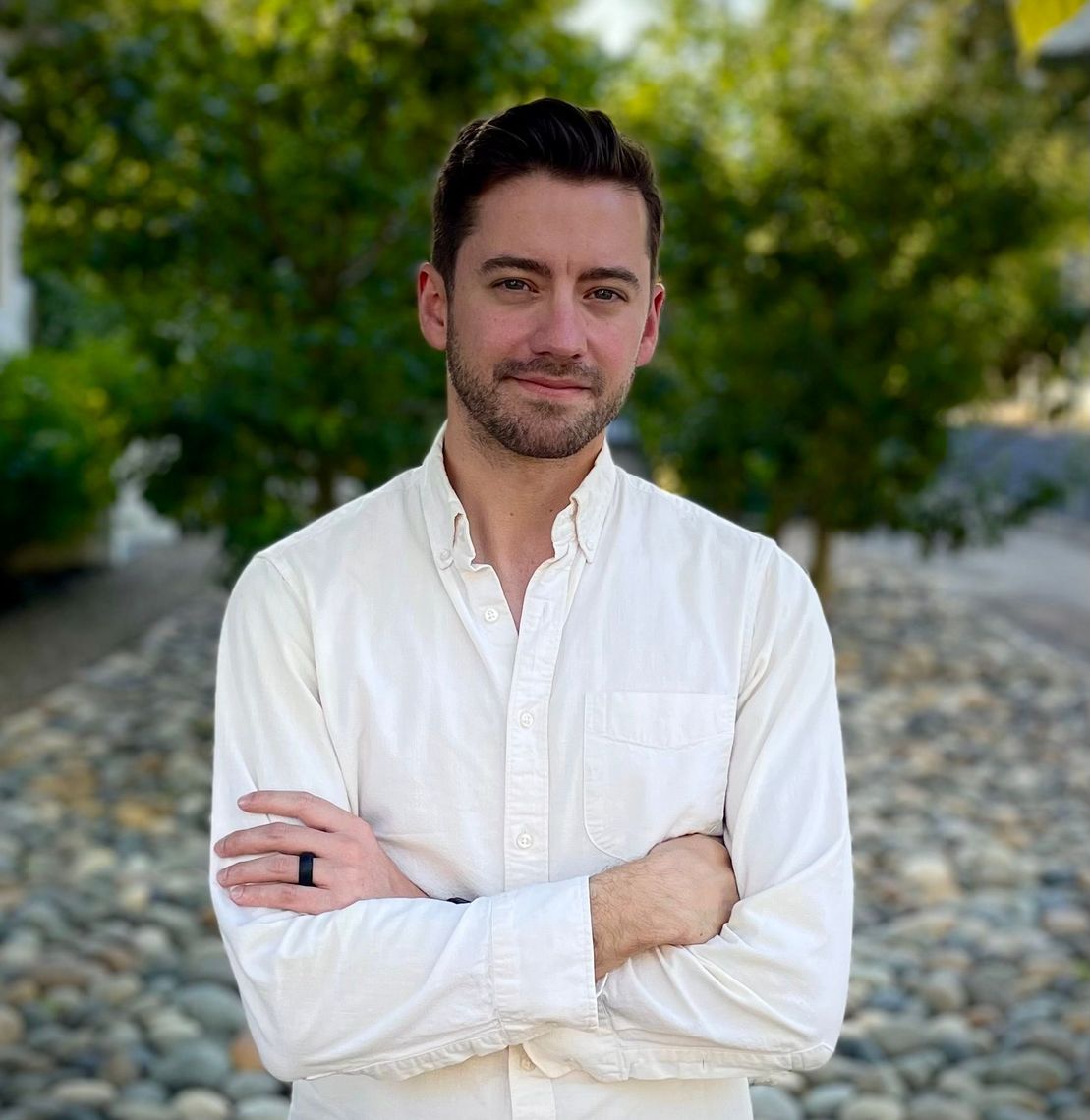
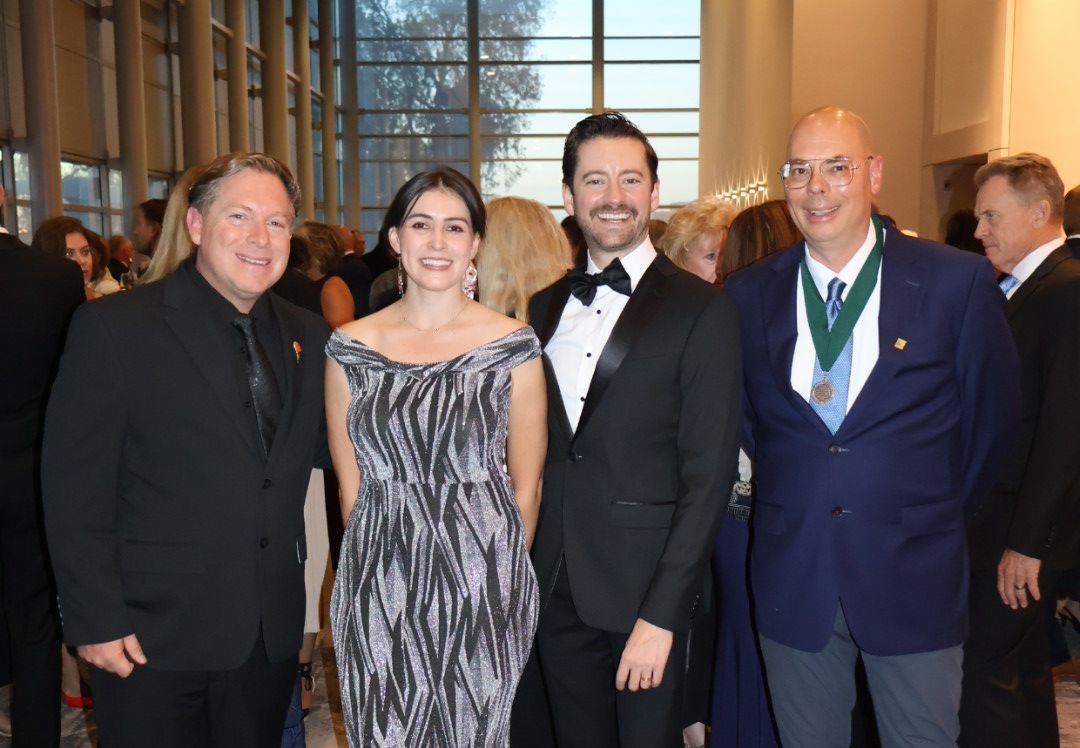
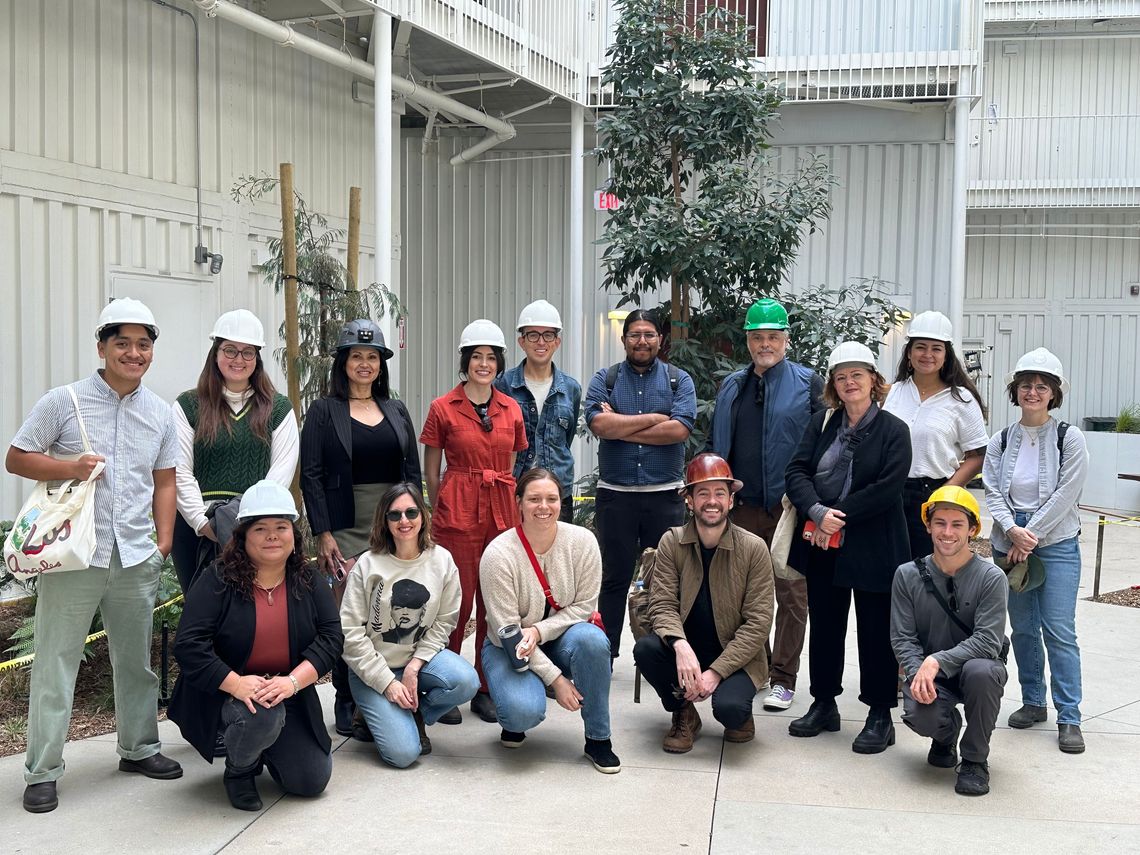
Jared Edgar McKnight ASLA, Assoc. AIA, Senior Associate at WRT, has stepped into a new role: President of the American Society of Landscape Architects' Southern California Chapter for 2026-27. It's the latest chapter in a relationship with ASLA that started when Jared led the organization's student chapter at USC. Throughout Jared’s tenure with WRT, dating back to 2012, he has been committed to the design of places that respond to social and environmental need, practicing across WRT’s boundaries of landscape architecture, urban design, planning and architecture.
We sat down with Jared this September right after the recent ASLA 2026 Conference on Landscape Architecture in Los Angeles to talk about the priorities driving his term, how his volunteering and research shapes his involvements locally in Los Angeles, and what he has learned moving between professional practice and chapter leadership.
You've just stepped into the role of ASLA SoCal President for 2026-27. What drew you to take this on, and what do you want the chapter to look and feel like by the end of your term?
Throughout my career, I have always been passionate about engaging with the professional organizations that underpin our design community. Early on, that drive was manifested through my involvement with AIAS and the AIA. When I returned to school in 2019 to pursue my Master of Landscape Architecture and Urbanism at USC, jumping into ASLA was a natural next step. What began as leading USC’s student chapter quickly expanded to serving on the ASLA National Student Advisory Committee, where I collaborated with colleagues and leaders on a national scale.
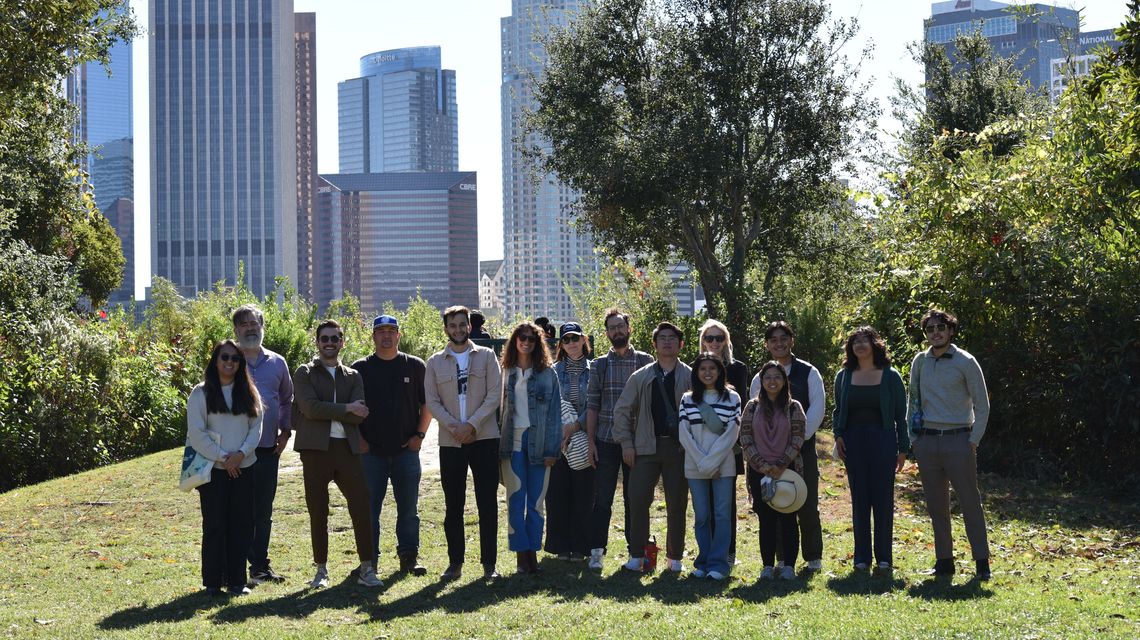
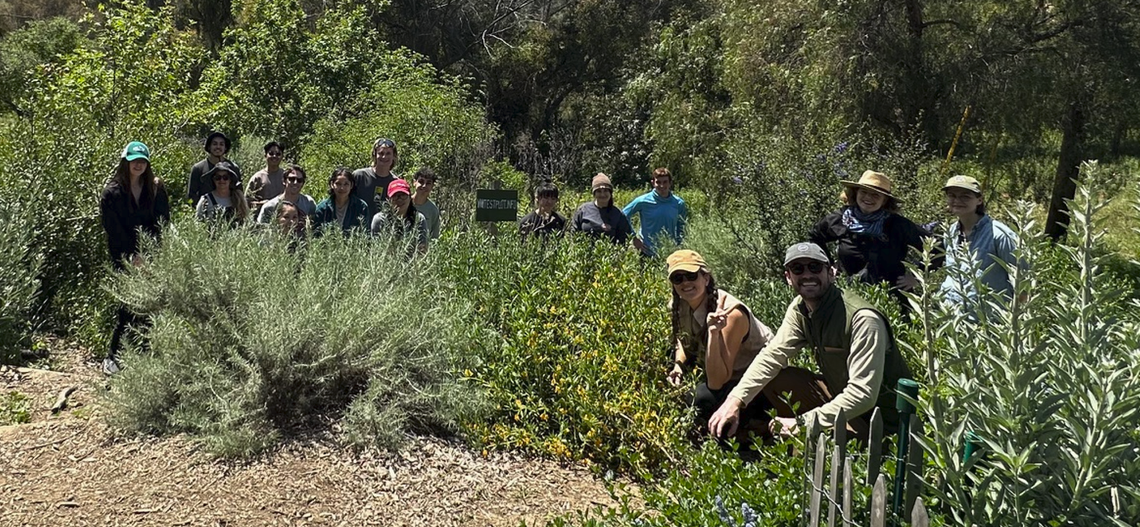
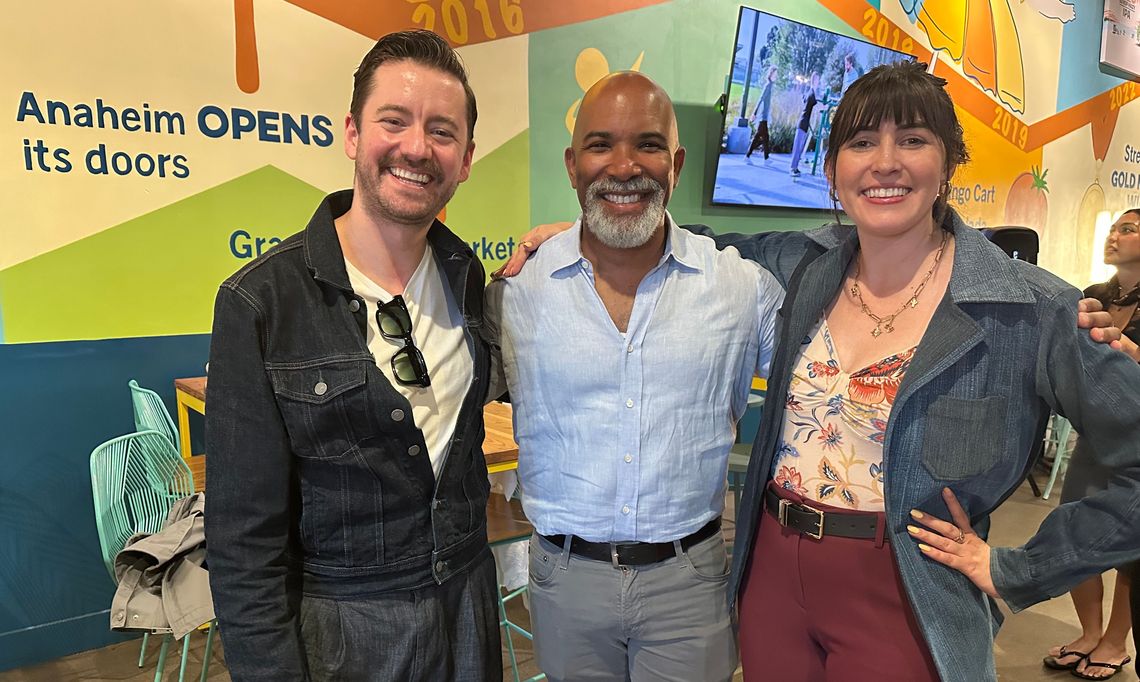
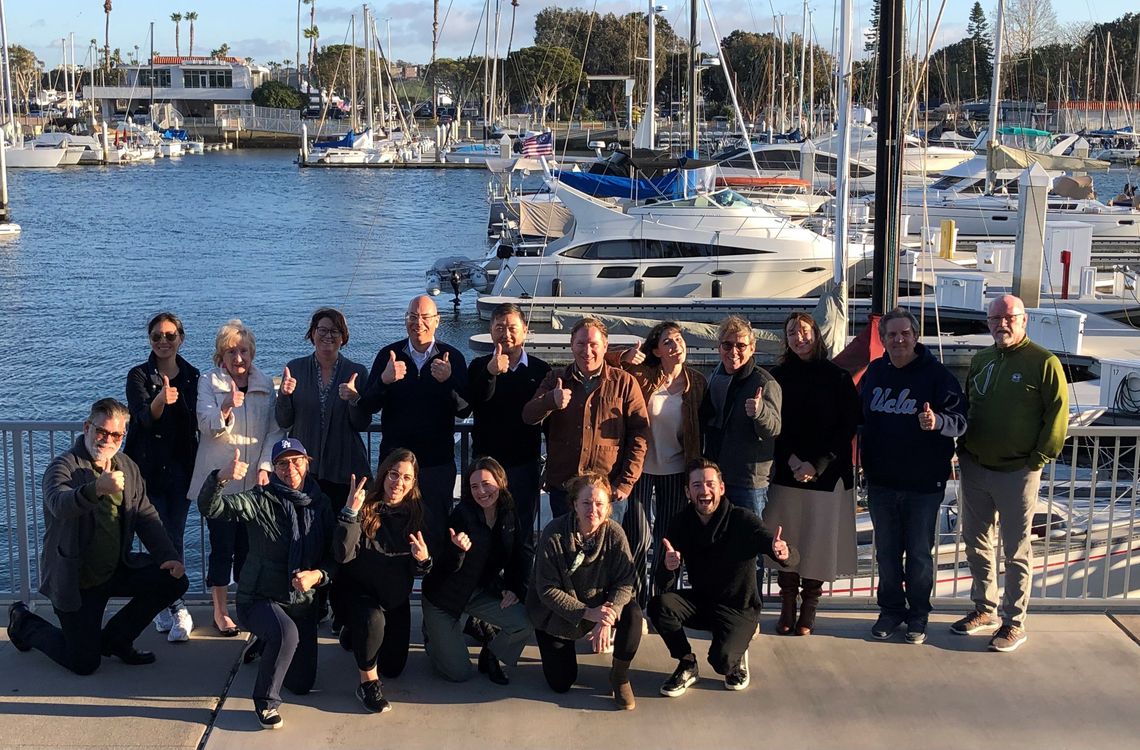
However, when I transitioned back to professional practice with WRT in 2021 after my MLA program, working remotely from Los Angeles, ASLA quickly became my local foundation, a support system for me to build a professional community here in Southern California. Serving as the chapter's Emerging Professionals Committee Chair from 2021 to 2025 allowed me to build community through educational programs, site visits, and social networking meet-ups. Stepping into that role gave me a true glimpse into the vastness and remarkable diversity of our chapter, which spans eight expansive counties: Los Angeles, Orange, Riverside, San Bernardino, Kern, San Luis Obispo, Santa Barbara and Ventura.
When I was considering the idea to run for President-Elect in 2025, I saw an opportunity to expand the impact and relevance of landscape architecture for our extraordinary network of landscape architects, designers, students, educators, and allied professionals that our chapter represents.
By the end of my term, I want our chapter to feel more connected, engaged, and visible than ever before. I want our members to look at ASLA SoCal not just as a professional network, but as an active, accessible champion for their work. Over the next year, my goal is to deepen our regional ties, lower the barriers between our geographic hubs, expand our advocacy, and work with our volunteers to create vibrant spaces where we can collectively learn, advocate for the profession, and celebrate the incredible design work shaping Southern California and beyond.
You've been involved with ASLA SoCal in various capacities throughout the past 7 years. How has your view of the organization's role changed as you've moved from student leader to chapter president?
Early on, I viewed ASLA primarily as a vehicle to network, socialize, and engage with industry professionals, believing the value was equal to what I personally put into it. While those initial views of ASLA providing networking benefits are absolutely valid, my journey through leadership has revealed a much larger truth: ASLA is the single most powerful platform we have to collectively advocate for the profession of Landscape Architecture. It is a vital advocacy engine powered by the voices of its members and sustained by dedicated staff at both the national and local levels, who are collectively supported by boards of volunteers. Gaining more insights into this advocacy is what truly transformed my view of the organization.
Through ASLA, we elevate and protect our practice across every level of governance. At the national level, ASLA lobbies federal lawmakers to champion critical issues like climate resilience, sustainable infrastructure investment, and equitable community design. At the state level, the four California ASLA chapters unify our voices to work with our state lobbyist, actively defending professional licensure against sunset reviews to ensure that our standards for public health, safety, and welfare remain legally protected.
Locally, the ASLA Southern California Chapter channels this momentum directly into our neighborhoods. We actively track the progression of Assembly and Senate Bills in the California State Legislature to understand their local implications, such as the critical "Zone Zero" defensible space regulations (AB 3074) enacted in the aftermath of the devastating fires in our Altadena and Palisades communities.
From Washington D.C. to Southern California, ASLA’s unified voice ensures that landscape architects have a seat at the table, safeguarding our right to practice while amplifying our impact on the built environment. The ASLA Southern California Chapter is built on this profound legacy of advocacy, a commitment to service, and a dedication to strengthening the connections that bring our professional community together.
Your USC thesis looked at the "spatial politics of homelessness" in Los Angeles, and your ongoing research pushes into somewhat unconventional territory for landscape architecture. How does that research lens show up in your volunteering and in the client-facing work you do at WRT?
I have always been driven by a passion for designs that challenge the structures that isolate and exclude communities and ecosystems. When we interrogate these ‘structures’ as I call them, whether they are physical barriers, political policies, or historical planning decisions that still dictate who is welcome or unwelcome, and how people move and exist in space today, those interrogations [hopefully] invite us to see the contexts around us from different perspectives. I think that lens demands empathy. It forces us to design with and for those who have been historically least represented, and whose voices, identities, or presence are too often missing from the decision-making processes that ultimately influence and shape our built environment.
A cross-cutting theme in my professional aspirations, my research and my volunteering and community service is a fundamental question: For whom do we design? Answering this requires making the design process itself more legible and accessible to the communities our designs are intended to serve. For me, that lens also manifests in a focus on storytelling and aspiring to be a clear communicator. In my work and research, I look for ways our designs and community engagement strategies can actively dismantle barriers to access, while accounting for the broader environmental, social, political, ecological, economical, and spatial [codified] forces that impact vulnerable and frontline communities.
In my volunteering and leadership, this philosophy dictates how I try to show up as a leader. Because the ASLA Southern California Chapter is geographically vast, some of my goals over the next year are to: try to lower those geographic barriers by creating more touchpoints and more access to our programming, service and advocacy activities; more intentionally bridge the gap between our students, our emerging professionals, and our established firm leaders; and ensure that more ASLA SoCal members feel seen, heard, and connected to our collective mission.
For early-career designers and students watching your path from a student to professional to chapter leader and beyond, what's one piece of advice you keep coming back to, or would share?
My advice is to understand that you do not have to wait for permission, or for a specific title, to start leading. Leadership begins with a willingness to show up, connect, and serve. The most accessible way to do that is to get involved (start with organizations like ASLA, AIA, APA, or even organizations in your local community). Our design profession is remarkably small, and filled with incredible colleagues, mentors, and future collaborators. Get to know them, engage with them, and allow them to get to know you.
As I step into the role of Chapter President for ASLA SoCal, I am acutely aware that my path from student leader to president of our local chapter was paved by mentors who intentionally opened doors, listened to my ideas, and invited me to a seat at the table. True community-building is a two-way street: you must actively lean into the network that sustains you, while simultaneously lifting up the next generation of leaders behind you. Find your people, invest heavily in them, and always look for ways to empower the voices that aren't yet being heard.