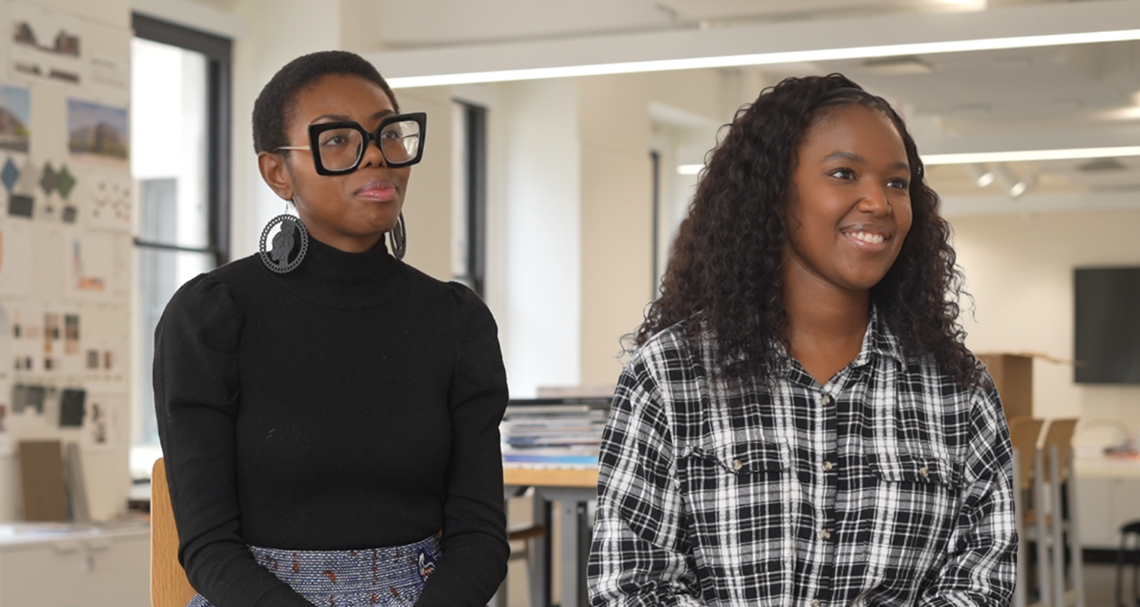
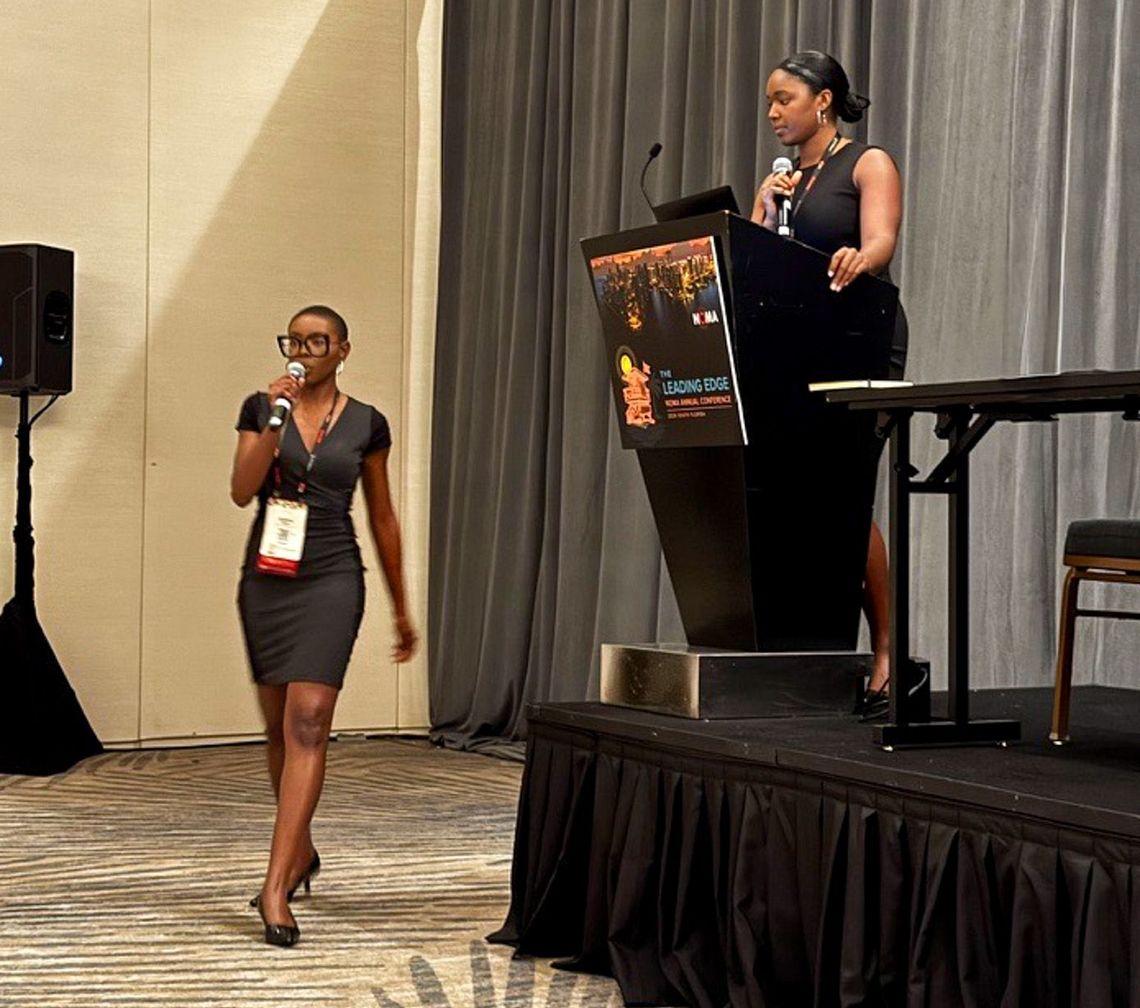
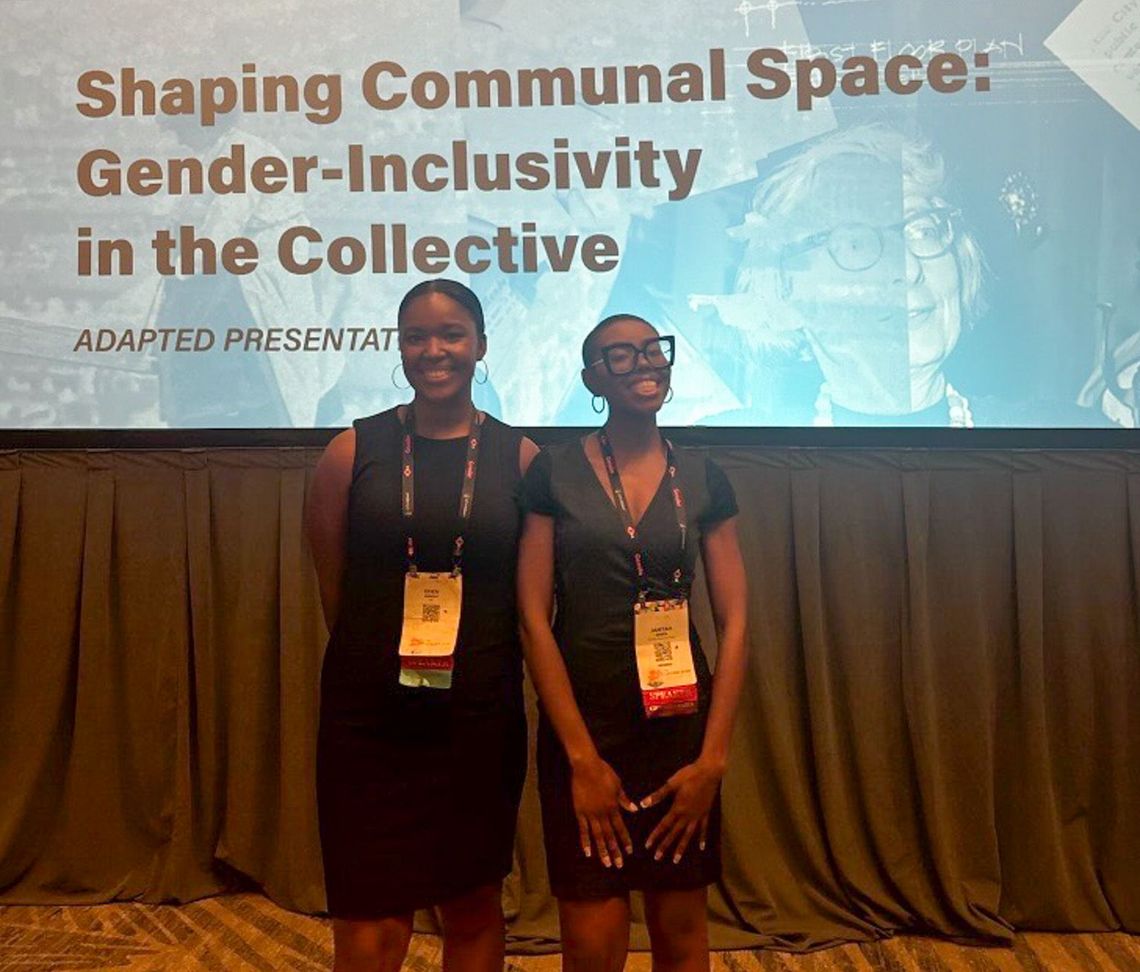
The National Organization of Minority Architects’ 2026 conference brought together more than 1,400 industry professionals for conversations connecting design with equity, advocacy, climate resilience, and community. For Janyah Green and Eden Wright, those conversations continued after their presentation ended. Below, they reflect on what resonated and where the work could go next.
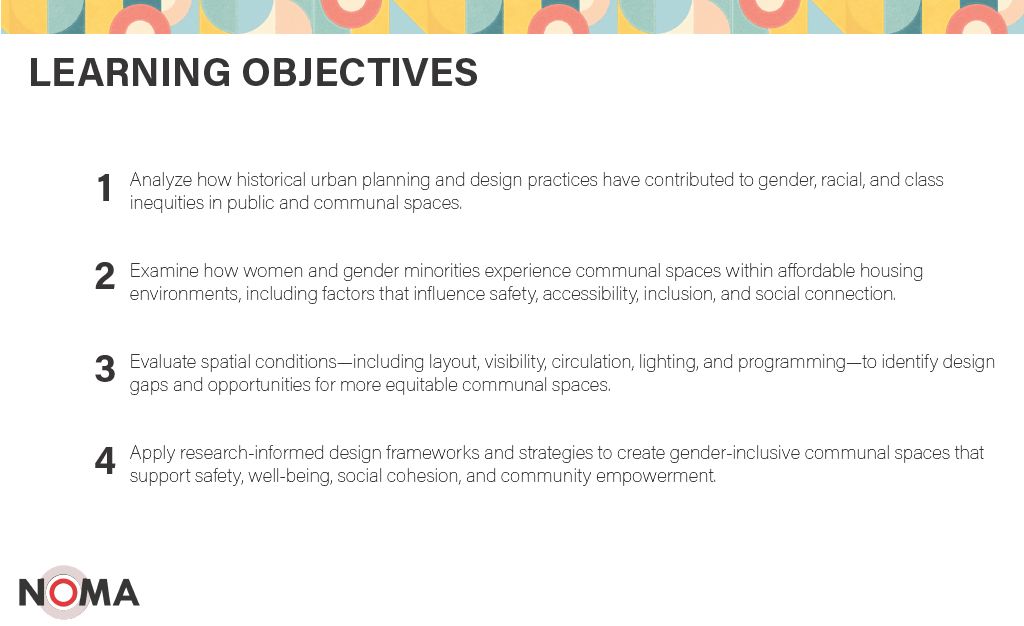
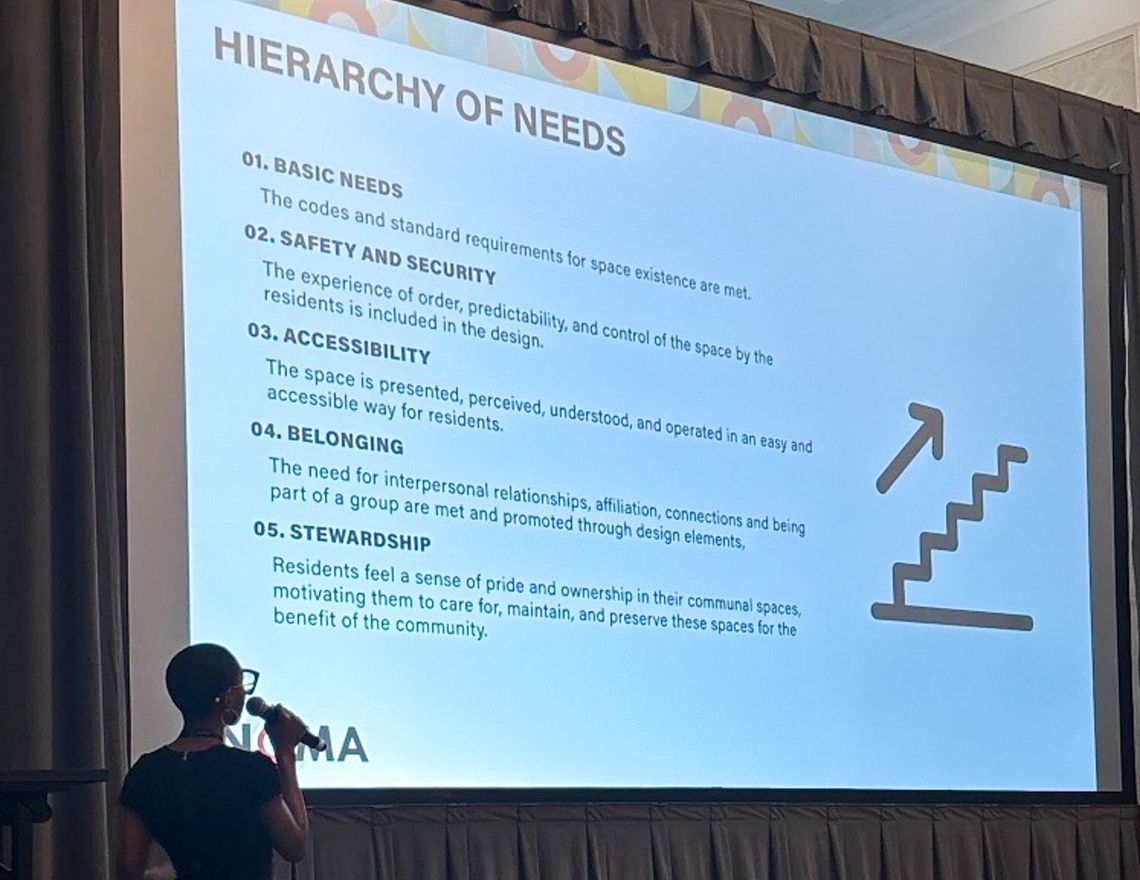
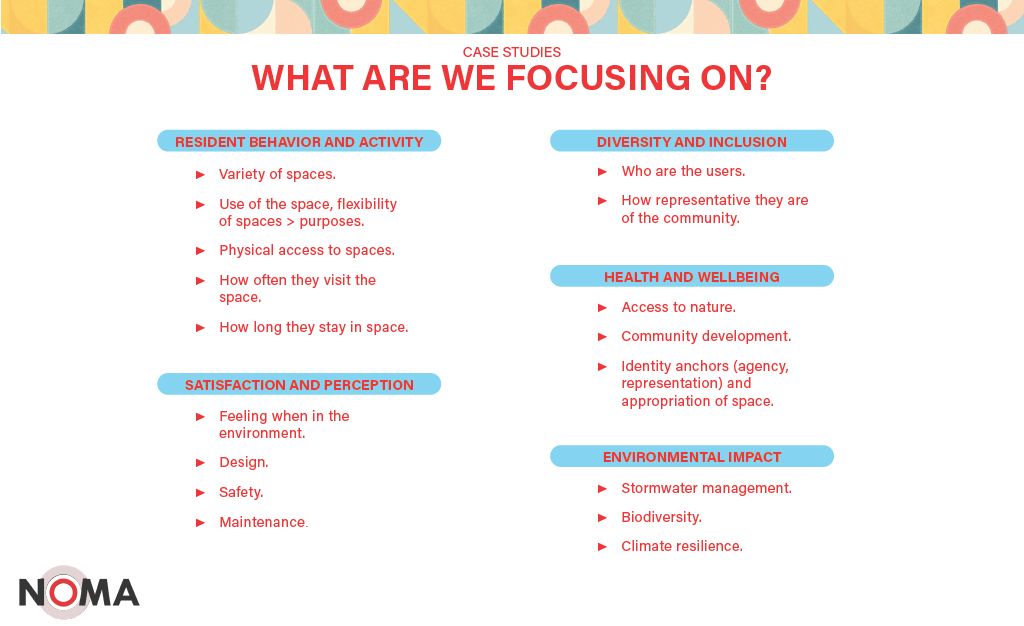
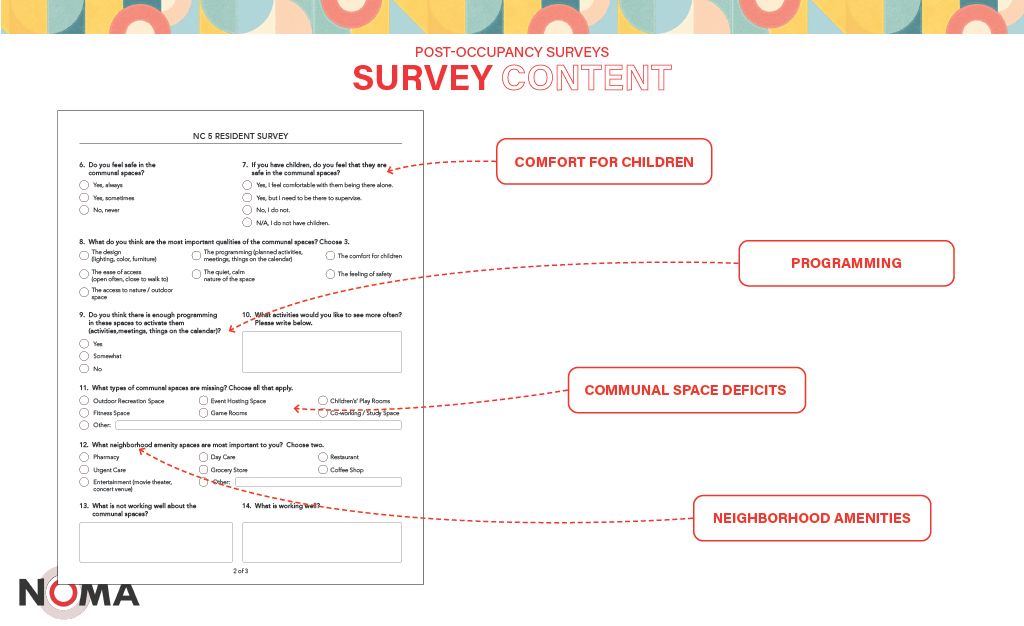
WRT designers Janyah Green and Eden Wright presented their research, “Shaping Communal Space: Gender-Inclusivity in the Collective.” The study draws on literature reviews, site visits, surveys, observations, and resident conversations to examine how gender minorities experience communal spaces and develop a framework for more inclusive design. Grounded in our interdisciplinary practice, it connects planning, architecture, and landscape architecture through questions of safety, access, and belonging.
The discussion explored how housing practices have historically affected marginalized communities, particularly Black people and women, and how those impacts continue today. Attendees shared personal connections to the subject and questions about introducing these conversations within their own firms.
When did you realize the session had connected with the audience?
“I told the group they could leave since we technically hit time, but to my surprise, most people stayed right in their seats,” shared Janyah. “The rest of the Q&A felt conversational, like a brainstorming session amongst designers. We talked about ways to further the research, apply the framework, and so much more.”
Eden added, “They loved that we provided the history of public housing and the positive and negative aspects that manifested throughout the years. Several people wanted to know where the research was going to go.”
What felt different about discussing the research at NOMA?
“The reality of working in a corporate architecture firm is that you are more than likely going to be one of a few, if not the only, person of color. Therefore, despite best efforts, some concepts can truly only be met with sympathy and not empathy," shared Eden. “NOMA, being a collection of minority architects, felt as though the empathy was already in the room. We did not need to say the underlying messages because they were already understood and for many already experienced.”
What question from the audience stayed with you?
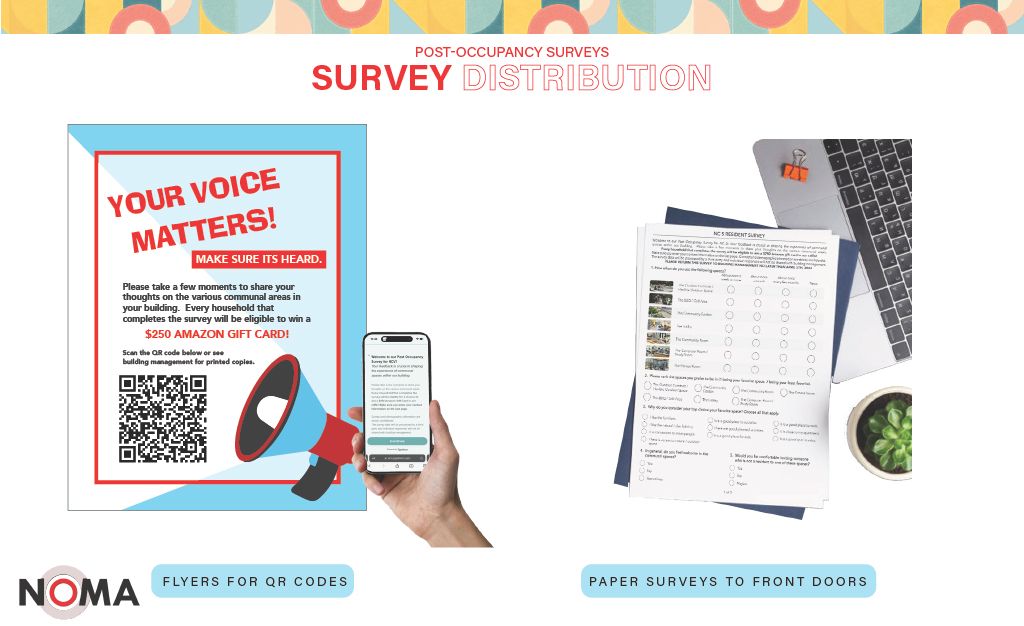
“Someone in the crowd brought up the lack of trust amongst marginalized communities and how it leads to less participation in engagement, possibly making it hard to conduct post occupancy surveys," said Janyah. “This sparked a great discussion about trust, recognizing where we stand as outsiders of a community looking in and we need to make space for community members to feel heard.”
Janyah raises a question for future research: how can designers build relationships that make continued participation meaningful to residents? Learning from a community requires attention to why people might hesitate to engage and how their contributions influence decisions.
Where are you seeing a connection between the research and project work?
Eden identified 36N in Tulsa, Oklahoma, as the first housing project she worked on after the research. She described working with the project manager, “[because she was also closely involved in the research efforts], she was immediately on board for preserving communal spaces and integrating communal spaces into the building footprint.”
Eden points toward a practical next step: carrying research questions into design decisions and then returning to the residents for understanding on how those spaces function in daily life.
What did you hear elsewhere at the conference that expanded your thinking?
Opening keynote speaker Wanda Dalla Costa, founder of Tawaw Architecture Collective and a member of the Saddle Lake Cree Nation, brought a perspective grounded in co-designing with Indigenous communities and culturally responsive practice. Janyah reflected, “Wanda’s speech was a reminder that designing for a community goes beyond addressing accessibility or accommodating household sizes. It also means understanding and reflecting the cultural values and ways of life of the people who will use these spaces.”
What would you like the industry to carry forward?
“I want WRT to look further into the history of public and affordable housing. I want every member of the firm to know the history," emphasized Eden. She also called for expanding the research beyond the United States and proposed resident surveys at one and five years after occupancy.
“We should start incorporating the framework into our design process. This would allow us to test it across different projects and refine it, really pushing the continuation of the research through implementation," said Janyah, “With so much cross discipline work, it could even help us maintain the integrity and intention of a design from master planning to the individual buildings.”
Janyah leaves designers with a question for the next working day: “How do we use our positions, knowledge, and influence to advocate for the communities most affected by our work?”
These proposed directions connect to WRT’s commitment to social equity and a community-based process responsive to local values and aspirations. Across planning, urban design, architecture, and landscape architecture, their reflections suggest a continuing cycle of historical inquiry, design, and learning with residents. Advancing social equity requires understanding how places serve people long after the design process ends.