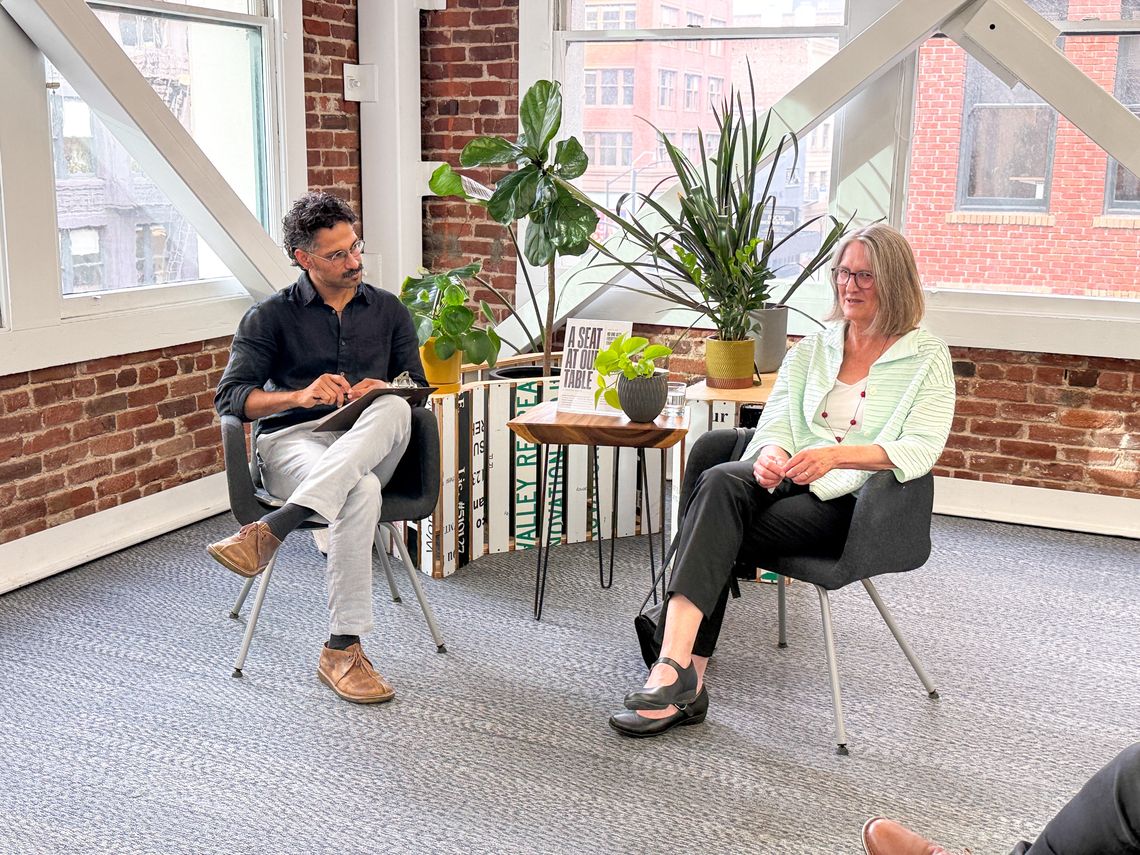
Rohit Tak reflects on a conversation with Elizabeth Macdonald about equitable development, public space, and the questions we carry into practice. When cities redesign a street or reclaim space from a freeway, what opportunities does that change create? Who can access them? And how do we make sure the public benefit extends to the people who need it?
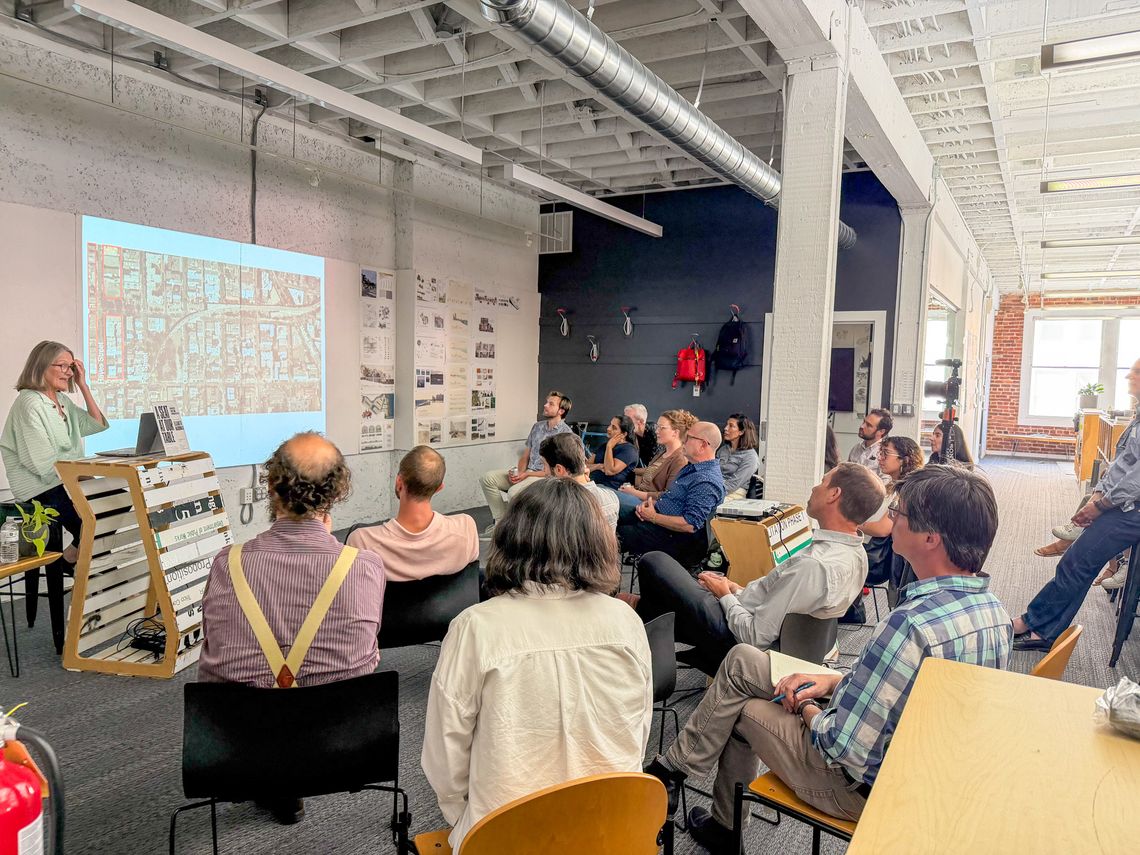
Our San Francisco office welcomed urban designer and UC Berkeley professor emerita Elizabeth Macdonald for “No One Gets Everything, Everyone Gets a Lot."
Moderated by Urban Designer Rohit Tak, the event brought together public agency staff, consultants, and fellow practitioners to explore Elizabeth's work on boulevards and urban waterfronts.
Inspired by WRT co-founder Ian McHarg’s The House We Live In (1962), our new speaker series A Seat at Our Table explores the evolving relationship between people and the environment. We caught up with Rohit afterward to hear what stayed with him and where he sees connections to our current work.
What made Elizabeth’s work especially relevant to this conversation?
At WRT, we practice equitable planning processes and resilient strategies when we address climate risks. We also question the status quo and provide more people-centric urban design strategies.
Elizabeth has not just researched this as part of her academic work. She has written books and worked with city authorities. We wanted to hear the story of how easy and how difficult it was to convince the decision-makers and the community to remove remnants of the Central Freeway and introduce San Francisco’s multiway Octavia Boulevard.
What stayed with you from the discussion about equity?
When we do this redevelopment, if there is some land that is getting redeveloped as a result of that project, private developers usually come into play. A lot of times, the development happens for market-rate housing, which not everybody can afford.
So whose benefit is it? We are saying that this is community benefit, this entire public improvement. But how can we bring equity into it? Can some of that housing be social housing?
Although a project is not able to address all needs, it can direct other developments around it. It kind of acts as a catalyst.
How did that question of who benefits carry into the discussion about street design?
As mobility is evolving, there are e-scooters, there are e-bikes, then there are human-powered bikes, motorbikes, and cars. Each of these modes is traveling in the right-of-way at different speeds.
How can we integrate all of these different users? And not just integrate them, but address their safety, because they’re moving at different speeds.
Where do you see these ideas connecting to WRT’s current work?
All our Specific Plan projects, where we identify opportunity sites for development, are where that applies. If these are the opportunity sites, what development are we prioritizing?
If a street corridor is getting redesigned, for example, Veterans Boulevard in Redwood City, it’s also offering potential for the parcels around it. Who is benefiting from this reimagined Veterans Boulevard? Can it be more inclusive, with a diverse set of housing and some affordable units? We haven’t reached that stage in the project yet, but these are things for us to learn from.
In Stockton, we have identified sites for waterfront development, mostly city-owned sites. How can the affordable housing strategy be integrated into that planning? So that community benefit coming out of these projects is not only going to those who can afford buying those houses.
The Mount Diablo Boulevard redesign project in Lafayette is a multimodal boulevard, so that specific conversation was directly about our project.
What did the mix of people in the room bring to the discussion?
Most of the attendees included public agencies, the cities we work with, and our partners, professionals in the field. We invited people who are experts in the field, learning about their progress, and helping us understand some of the challenges they addressed in their approach. This was a way for us to create an environment where clients, consultants, and young professionals all come and contribute to the discourse.
What would you like these conversations to make possible going forward?
A lot of these conversations help us shape our thinking as we work on these projects. Not just having one way of looking at it, but listening to others who might have similar projects. Creating that environment where this discourse can take place.
These questions carry forward our commitment to the social and environmental well-being of the communities we serve.
For WRT, that exchange connects learning with the responsibility of practice. Bringing planning, urban design, architecture, and landscape architecture into conversation helps us examine who benefits from change, how public spaces respond to climate risks, and whose needs should guide a decision.
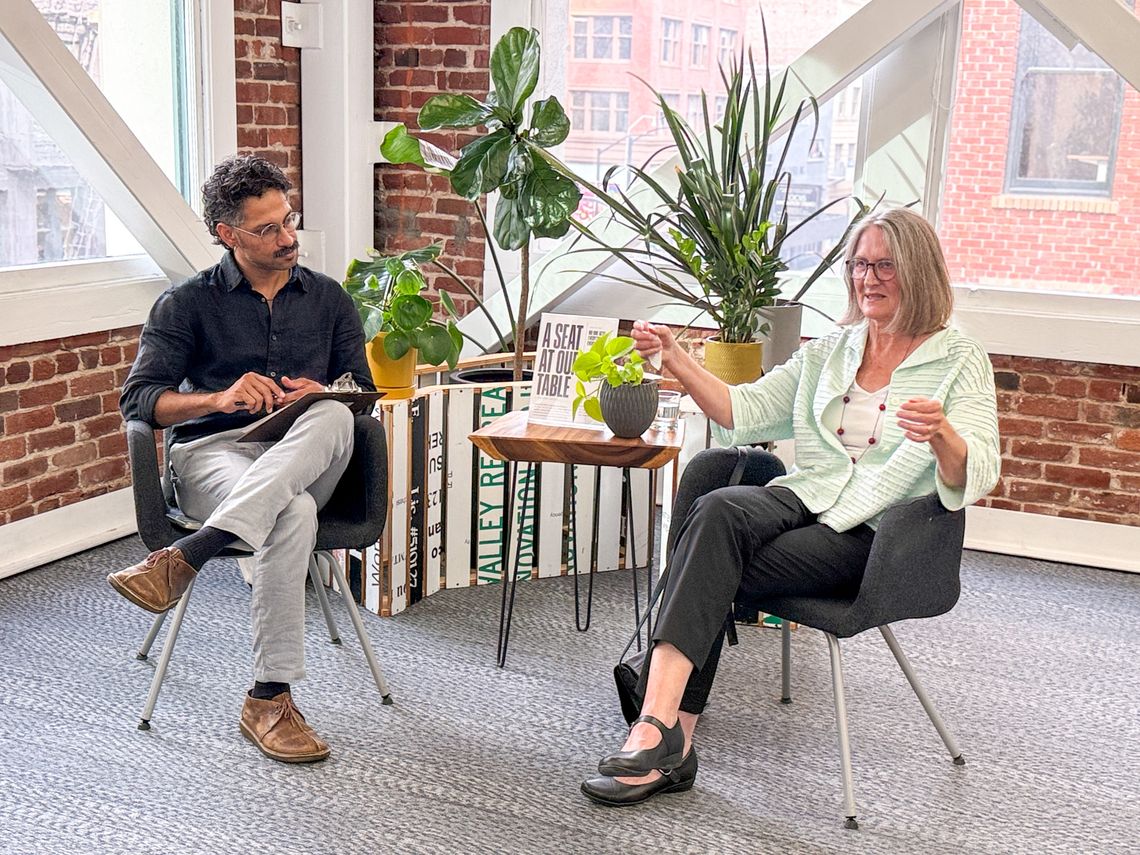
Elizabeth was my professor and my thesis guide. One of the reasons I wanted to study at Berkeley was to be able to learn from her...
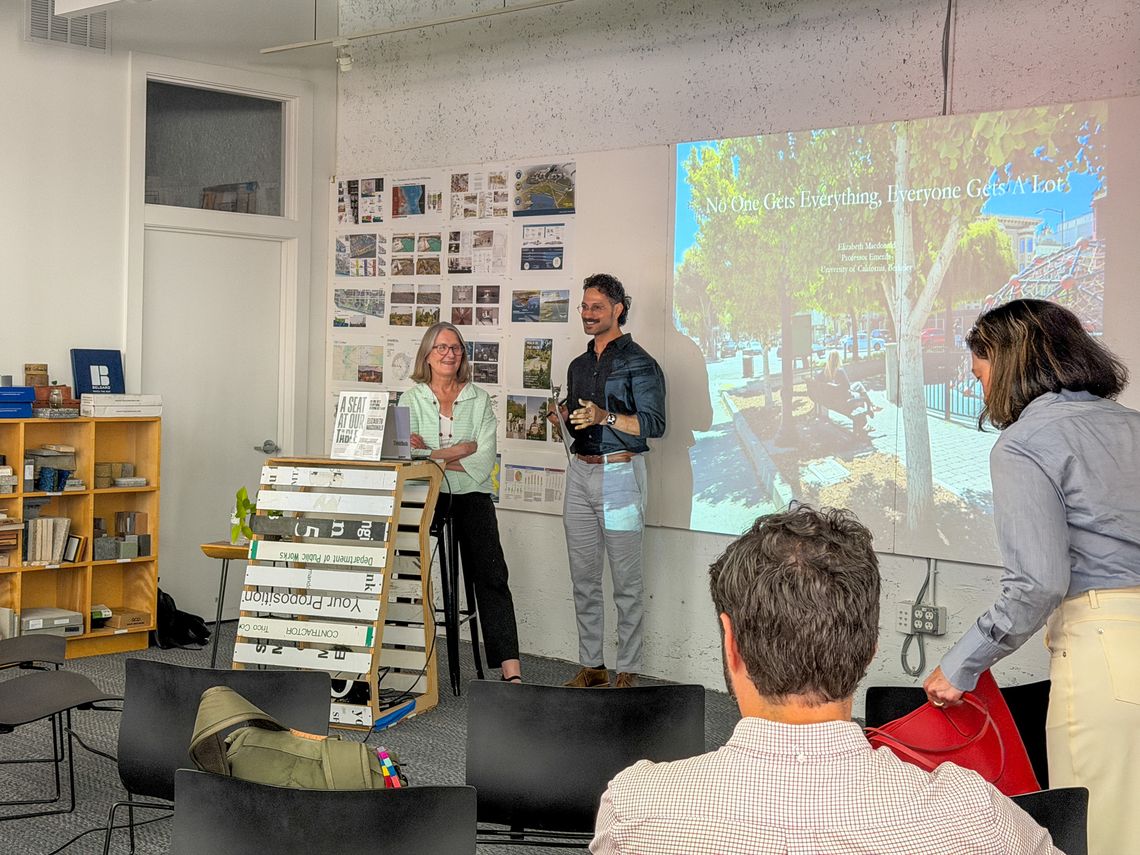
We have to look beyond the minimums... Design for the most vulnerable user and it will be safer for everyone else.
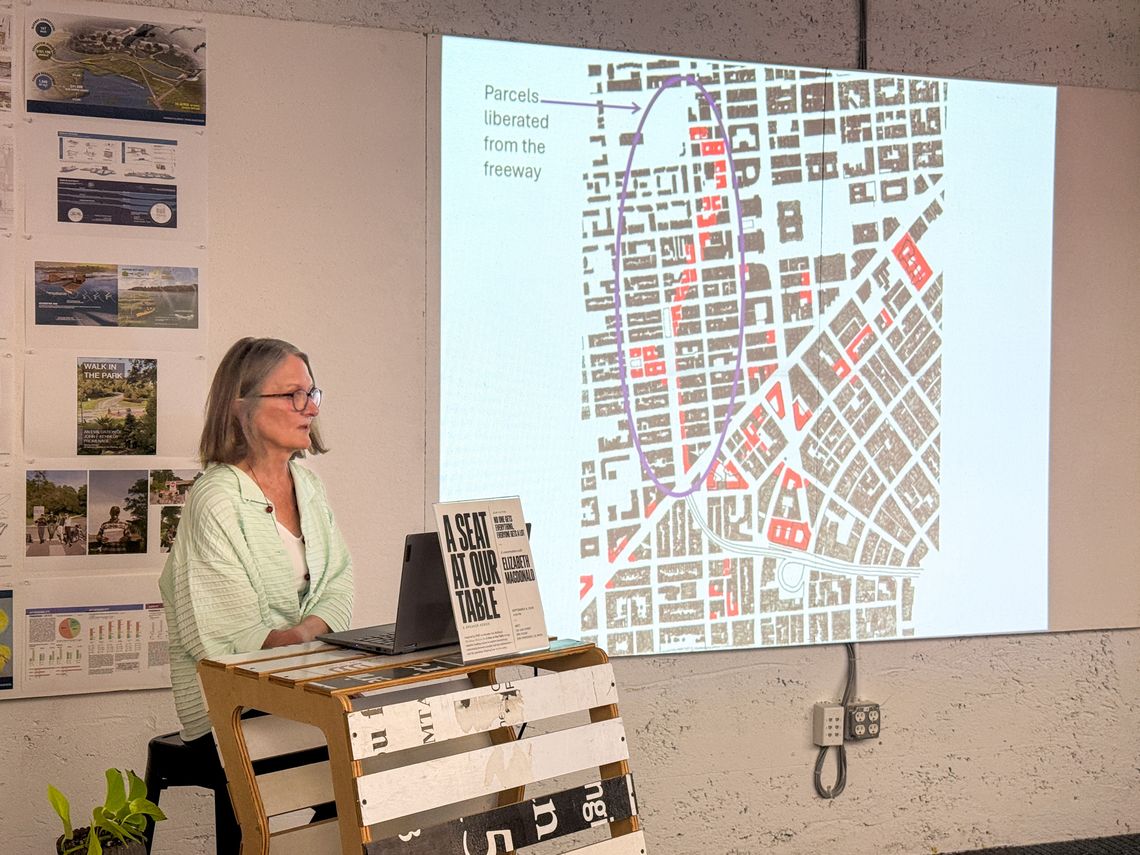
It’s not only coming from one source. People are exchanging ideas. There’s a dialogue happening with the audience...